
Vitamins
Many foods are enriched with vitamins, including juices, dairy products, baby foods, cereals, confectionery, tablets, and vitamin premixes. To accurately determine vitamin concentrations in these products, R-Biopharm provides a diverse range of analytical test systems.
Vitamins are increasingly added to food, feed, and pharmaceutical products to help ensure an adequate supply for the population. Fortification is typically carried out by mixing or spraying vitamin premixes into products. Analytical testing plays a crucial role in verifying that legal requirements are met, that the declared vitamin levels are accurate, and that manufacturers’ marketing claims are supported. Fast, reliable analytical methods are therefore essential for routine vitamin monitoring.

Vitamin Analysis Made Easy
Depending on the laboratory’s available equipment, such as HPLC systems or microwell photometers, vitamin analysis can be performed using several approaches. Instrumental methods like HPLC or LC-MS/MS can be combined with EASI-EXTRACT® immunoaffinity columns to clean and concentrate samples prior to measurement. With appropriate sample preparation, both added vitamins and total vitamin content can be quantified. For laboratories equipped with a microwell photometer, alternative options include ELISA-based assays (RIDASCREEN®) or microbiological test systems (VitaFast®), offering flexible and reliable solutions for routine vitamin testing.
The flexible and certified VitaFast® tests are microbiological tests in an easy-to-use microtiter plate format. The microorganisms lyophilized on a microtiter plate grow in dependence of the added vitamin concentration, so that the turbidity can be easily measured with a microtiter plate reader. The determination is possible for all water-soluble vitamins:
Inositol
Folic acid
Pantothenic acid
Vitamin C (L-Ascorbic acid)
Vitamin B1 (Thiamin)
Vitamin B2 (Riboflavin)
Vitamin B3 (Niacin)
Vitamin B6 (Pyridoxin)
Vitamin B7 (Biotin)
Vitamin B12 (Cyanocobalamin)
EASI-EXTRACT® immunoaffinity columns permit a sample preparation and concentration of vitamins from complex matrices before the analysis by HPLC or LC-MS/MS. This makes the analysis highly specific and sensitive. These columns can be used for a wide range of commodities and are available for the detection of the following vitamins either individually or together using a multi-analyte product:
Vitamin B12 (Cyanocobalamin)
Folic acid
Vitamin B7 (Biotin)
The easy-to-use RIDASCREEN® ELISA tests allow a fast and precise quantitative analysis of single added vitamins by means of an antigen-antibody reaction. Evaluation is carried out by means of a microtiter plate photometer and the RIDASOFT® Win.NET software. These tests are available for the following vitamins:
Vitamin B12 (Cyanocobalamin)
Folic acid
On 22 November 2011, the EU published the Food Information Regulation (LMIV) in the Official Journal, introducing new obligations for declaring certain ingredients. One important requirement is that the vitamin levels stated on product labels must correspond to the actual content at the end of the product’s minimum durability date.
Vitamins play a vital role in maintaining good health. They support the immune system, help the body utilise nutrients, act as enzyme cofactors, aid in detoxification, and may reduce the risk of cardiovascular disease. Even small amounts can have significant physiological effects, yet deficiencies can develop under certain conditions.
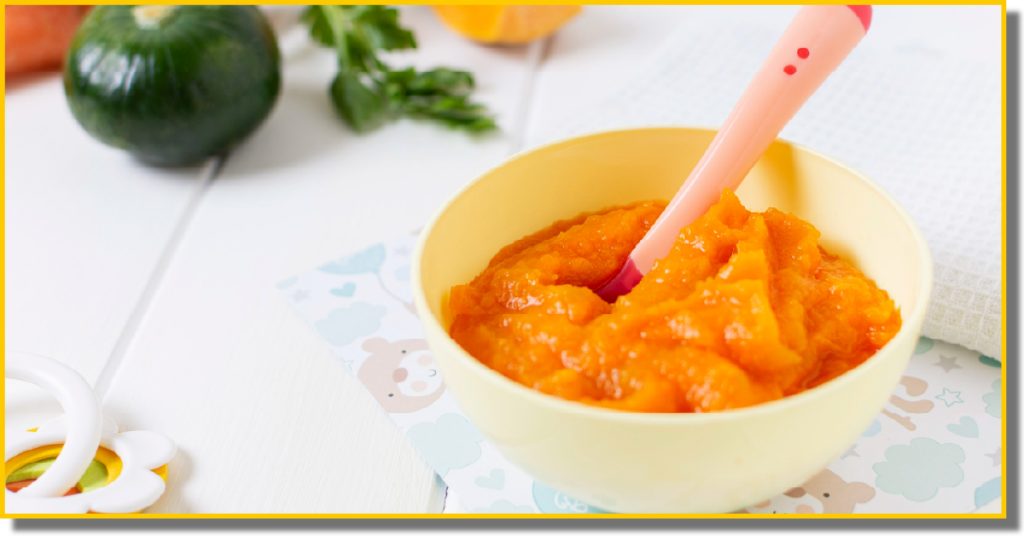
These essential compounds are found in plant and animal foods and fall into two main categories: fat-soluble and water-soluble vitamins. Fat-soluble vitamins can be stored in the body, which can be beneficial by providing reserve supplies but may also lead to health problems if levels accumulate excessively. Water-soluble vitamins, in contrast, are generally not stored and are excreted soon after consumption, making regular intake necessary. Vitamin B12 is the notable exception, as it can be stored in the liver.
Vitamins
In total, there are 13 recognised vitamins. Vitamins A, D, E, and K are fat-soluble, while the B-group vitamins and vitamin C are water-soluble. Because the body cannot synthesise most of these compounds, obtaining them through diet is essential. Vitamin D is one exception, as it can be produced through sunlight exposure on the skin, and niacin can be synthesised from the amino acid tryptophan through metabolic processes.
Vitamin B12 (Cyanocobalamin) belongs to the group of water-soluble vitamins. It cannot be produced by the human body and must therefore be ingested with food. Only small quantities of vitamin B12 are required by the body, however it plays and important role in our nervous system, has a protective effect on our cardiovascular system and plays an important part in nucleotide biosynthesis, absorption of iron and the metabolism of amino acids. A lack of vitamin B12 can cause pernicious anemia and neurological symptoms.
Biotin (also known as vitamin B7 or vitamin H) is an important nutritional factor and animal feed additive. Biotin occurs naturally in milk, dairy products, eggs, oat flakes and nuts, to state but a few. It is highly important for the metabolism of humans and animals, as it is involved as a coenzyme in important processes such as gluconeogenisis, biosynthesis of fatty acids and the metabolism of amino acids. Biotin deficiency causes inhibition of growth in mammals, loss of appetite and poor utilisation of nutrients, for example due to changes in the intestinal flora. In the advanced stage, avitaminosis manifests itself with loss of hair, dermatitis and signs of paralysis. The biotin requirement for adults is between 30 – 60 µg biotin per day.
Folic acid (formerly known as vitamin B9 or vitamin B11) belongs to the group of water-soluble vitamins. It cannot be produced by the human body and must therefore be ingested with food. Examples of sources of folic acid are green leafy vegetables, yeast, wheat germs and whole grain products, to name but a few. Folic acid plays a major role in all growth and cell division processes in the body. An appropriate intake of folic acid during pregnancy is important, for example to prevent neural tube defects. In some countries there are agreements to enrich bread, cereals, flour, rice and other grain products with various concentrations of folic acid in order to improve the vitamin status of the population.
Niacin (also known as vitamin B3) belongs to the group of water-soluble vitamins. Low concentrations of this can be produced by the human body from the amino acid tryptophan, however larger concentrations must be ingested via food. Niacin primarily occurs in foods such as poultry, fish, fungi and dairy products. The vitamin plays an important role in the metabolism of carbohydrates, fats and proteins. Niacin deficiency can cause skin changes and inflammation of the mucous membranes of the mouth and the gastrointestinal tract.
Pantothenic acid (also known as vitamin B5) belongs to the group of water-soluble vitamins. It cannot be produced by the human body and must therefore be ingested with food. Foods which contain pantothenic acid are primarily offal such as liver and kidneys, whole-grain products, fruit, vegetables, milk and fish. Vitamin B5 plays an important role in the decomposition of coenzyme A and is involved in the creation of carbohydrates and fats. A lack of pantothenic acid can cause tiredness, immunodeficiency and depression.
L-ascorbic acid (also known under the name vitamin C) is used a vitamin as well as an antioxidant and preservative in the food industry. Scurvy can develop in humans that have a vitamin C deficiency. Since vitamin C is partially converted in food into the biologically-active L-dehydroascorbic acid, both substances must be determined in a test system. The VitaFast® Vitamin C test (L-ascorbic acid) (Art. No. P1010) can be used to detect vitamin C in food. This comprehensively-validated test is an easy-to-perform enzymatic test in a microtitre plate format for the quantitative analysis of vitamin C (L-ascorbic acid) in food, pharmaceutical products and other sample materials. The test also enables the important analysis of the overall level of vitamin C (L-ascorbic acid + L-dehydroascorbic acid).
Inositol is frequently found in food, animal feed and pharmaceutical products. It was previously categorized as belonging to the vitamin-B complex (as Vitamin B8). In metabolism, inositol is an important building block of different signal transmission molecules and lipids. Since inositol is not an essential building block, but can be produced from glucose in the metabolism, it is now known as a vitamin-like substance. Inositol is a hexavalent cyclic alcohol and has nine isomers, which have the same molecular formula C6H12O6. The most natural isomer is myo-inositol. The level of inositol in food is partially regulated by laws, if inositol is added. In energy drinks there is a legally-specified upper limit of 200 mg/l (§ 4 para. 2 FrSaftErfrischGtrV [Fruit juice and soft drink regulation]). The concentrations must also be examined for baby food if there is an addition of inositol.
To complete the portfolio of test kits for vitamin detection, we also offer test systems for the quantification of vitamin B1 (Thiamin), vitamin B2 (Riboflavin) and vitamin B6 (Pyridoxin).
Product Portfolio
Ordering Information
| Ref | Description | Number of Tests/Amount | |
|---|---|---|---|
| R3203 | RIDASCREEN®FAST Folic Acid | Microtitre Plate with 48 Wells (6 Strips with 8 Individual Wells Each) | |
| R2103 | RIDASCREEN®FAST Vitamin B12 | Microtitre Plate with 48 Wells (6 Strips with 8 Individual Wells Each) |
Ordering Information
| Ref | Description | Number of Tests/Amount | |
|---|---|---|---|
| P1010 | VitaFast® Vitamin C (L-Ascorbic Acid) | Microtitre Plate with 96 Wells (12 Strips with 8 Individual Wells Each) | |
| P1002 | VitaFast® Vitamin B12 (Cyanocobalamin) | Microtitre Plate with 96 Wells (12 Strips with 8 Individual Wells Each) | |
| P1001 | VitaFast® Folic Acid | Microtitre Plate with 96 Wells (12 Strips with 8 Individual Wells Each) | |
| P1003 | VitaFast® Vitamin B7 (Biotin) | Microtitre Plate with 96 Wells (12 Strips with 8 Individual Wells Each) | |
| P1008 | VitaFast® Vitamin B6 (Pyridoxin) | Microtitre Plate with 96 Wells (12 Strips with 8 Individual Wells Each) | |
| P1005 | VitaFast® Pantothenic Acid | Microtitre Plate with 96 Wells (12 Strips with 8 Individual Wells Each) | |
| P1004 | VitaFast® Vitamin B3 (Niacin) | Microtitre Plate with 96 Wells (12 Strips with 8 Individual Wells Each) | |
| P1007 | VitaFast® Vitamin B2 (Riboflavin) | Microtitre Plate with 96 Wells (12 Strips with 8 Individual Wells Each) | |
| P1006 | VitaFast® Vitamin B1 (Thiamin) | Microtitre Plate with 96 Wells (12 Strips with 8 Individual Wells Each) | |
| P1009 | VitaFast® Inositol | Microtitre Plate with 96 Wells (12 Strips with 8 Individual Wells Each) |
Ordering Information
| Ref | Description | Number of Tests/Amount | |
|---|---|---|---|
| RBRP82 / RBRP82B | EASI-EXTRACT® BIOTIN | RBRP82 : 10 Immunoaffinity Columns (3mL Format) RBRP82B : 50 Immunoaffinity Columns (3mL Format) | |
| RBRP81 / RBRP81B | EASI-EXTRACT® FOLIC ACID | RBRP81 : 10 Immunoaffinity Columns (3mL Format) RBRP81B : 50 Immunoaffinity Columns (3mL Format) | |
| RBRP88 / RBRP88B | EASI-EXTRACT® VITAMIN B12 (LGE) | RBRP88 : 10 Immunoaffinity Columns (3mL Format) RBRP88B : 50 Immunoaffinity Columns (3mL Format) | |
| RBRP80 / RBRP80B / RBRAUTO-P80 / RBRAUTO-P80B | EASI-EXTRACT® VITAMIN B12 | RBRP80 : 10 Immunoaffinity Columns (3mL Format) RBRP80B : 50 Immunoaffinity Columns (3mL Format) RBRAUTO-P80 : 10 Immunoaffinity Columns (3mL Format) RBRAUTO-P80B : 50 Immunoaffinity Columns (3mL Format) | |
| RBRP183 / RBRP183B | EASI-EXTRACT® MULTI-VIT B (LGE) | RBRP183 : 10 Immunoaffinity Columns (3mL Format) RBRP183B : 50 Immunoaffinity Columns (3mL Format) |