
T-2 / HT-2 Toxin
Monitoring T-2 and HT-2 toxins is a critical aspect of food and feed safety, as these mycotoxins, produced by Fusarium species, belong to the trichothecene group and are known for their strong cytotoxic and immunosuppressive effects. They are commonly detected in agricultural commodities such as oats, maize, barley, and wheat, making them a concern for both human and animal health. Their presence in food and feed can have significant consequences, emphasising the need for reliable detection and monitoring strategies.
The occurrence and concentration of T-2 and HT-2 toxins can vary widely depending on geographical region, crop type, and storage conditions. These toxins directly damage cellular structures and impair the development of essential cell components, leading to reduced body weight, increased susceptibility to infection, and reproductive disorders in affected animals.
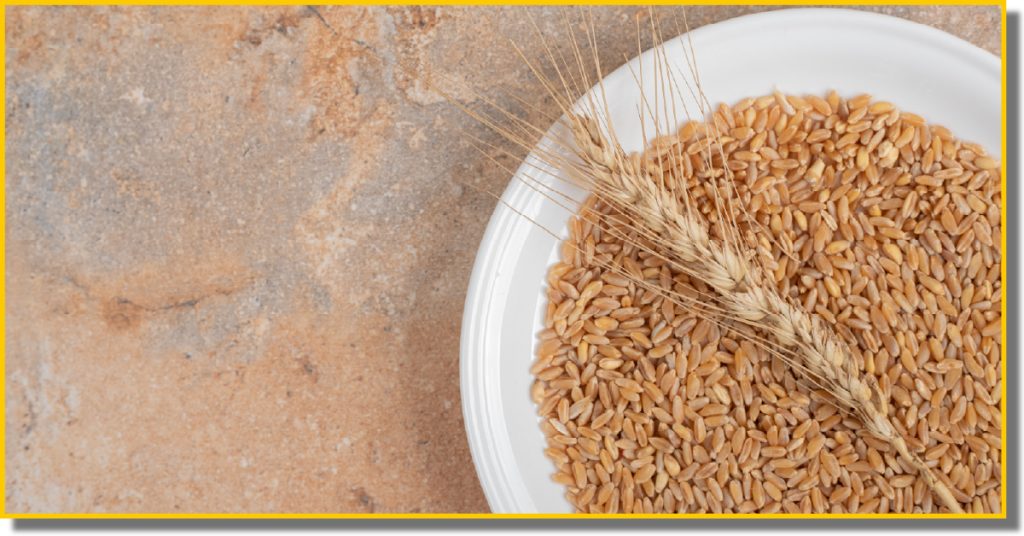
Contamination is frequently observed in grains such as oats, maize, wheat, and barley, posing particular risks to livestock and pets, including cats, when contaminated feed is consumed.
In response to these risks, regulatory authorities, particularly the European Union, have established maximum levels and recommendations for T-2 and HT-2 toxins in food and animal feed. In 2013, the EU issued guidance outlining these limits, emphasising the importance of routine and accurate testing to ensure compliance. Regular monitoring allows producers to verify that their products meet regulatory requirements, safeguarding public health and avoiding potential legal and economic repercussions.
Managing T-2 and HT-2 contamination presents significant challenges. The fungi that produce these mycotoxins are widespread, and conventional grain processing techniques or exposure to high temperatures are often insufficient to eliminate existing contamination. Environmental factors, such as unfavourable weather conditions during crop growth and harvest, can further promote fungal proliferation, making proactive monitoring essential for effective control.
T-2 and HT-2 toxins are part of the larger family of trichothecenes, a group of chemically related mycotoxins produced by molds such as Fusarium, Trichoderma, and Trichothecium. Type A trichothecenes include T-2 and HT-2 toxins, whereas type B trichothecenes include deoxynivalenol (DON), another widely occurring mycotoxin of significant concern in cereals. Understanding this classification aids in developing targeted monitoring and risk management strategies.
Advanced analytical solutions are available to support accurate and reliable detection of T-2 and HT-2 toxins. Sophisticated testing platforms allow precise quantification in a variety of agricultural products, including grains and animal feeds. Comprehensive testing programs ensure that both food and feed comply with EU recommendations and other international regulations, protecting human and animal health.
Monitoring T-2 and HT-2 toxins provides several key benefits. It safeguards consumers by ensuring that food products are free from harmful contamination. It protects animal health by preventing livestock and pets from consuming contaminated feed, supporting productivity and welfare. It also ensures regulatory compliance, maintains quality assurance, and supports robust quality control processes.
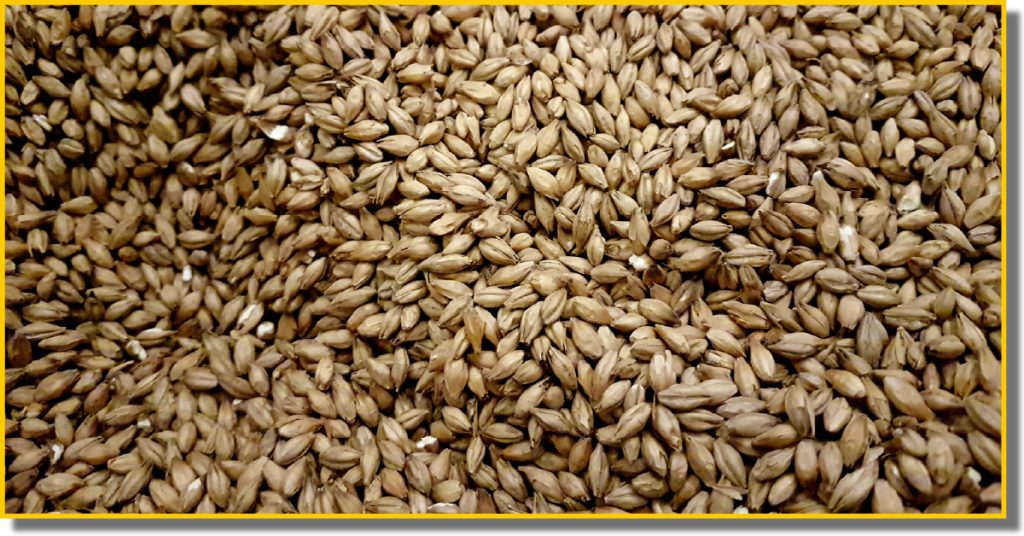
The use of advanced analytical platforms further enhances accuracy and efficiency, enabling reliable monitoring across a range of grain-based matrices.
In conclusion, consistent monitoring of T-2 and HT-2 toxins is essential to protect human and animal health, ensure regulatory compliance, and maintain the integrity of agricultural products. By implementing advanced detection methods and comprehensive testing strategies, manufacturers can effectively identify and quantify these toxins, supporting safe production practices, upholding food safety standards, and fostering trust among consumers and feed producers alike.
Product Portfolio
Ordering Information
| Ref | Description | Number of Tests/Amount | |
|---|---|---|---|
| R3805 | RIDASCREEN® T-2 / HT-2 Toxin | Microtitre Plate with 96 Wells (12 Strips with 8 Wells each) | |
| R3801 | RIDASCREEN® T-2 Toxin | Microtitre Plate with 96 Wells (12 Strips with 8 Wells each) | |
| R5302 | RIDASCREEN®FAST T-2 Toxin | Microtitre Plate with 48 Wells (6 Strips with 8 Wells each) |
Ordering Information
| Ref | Description | Number of Tests/Amount | |
|---|---|---|---|
| R5304 | RIDA®QUICK T-2 / HT-2 RQS ECO | 20 x Test Strips |
Ordering Information
| Ref | Description | Number of Tests/Amount | |
|---|---|---|---|
| TC-QP2100-50 | QualiT Pure™ Multi-Ergot Alkaloid MS | 50 Columns (Syringe Format) | |
| TC-QP1000-50 | QualiT Pure™ Multi-Mycotoxin | 50 Columns (Syringe Format) | |
| TC-QP1100-50 | QualiT Pure™ Multi-tox MS | 50 Columns (Syringe Format) | |
| RBRP43 / RBRP43B | EASI-EXTRACT® T-2 and HT-2 | RBRP43 : 10 Columns (3mL Format) RBRP43B : 50 Columns (3mL Format) | |
| RBRP73 / RBRP73B | DZT MS-PREP® | RBRP73 : 10 Immunoaffinity Columns (1mL Format) RBRP73B : 50 Immunoaffinity Columns (1mL Format) |