Food Adulteration
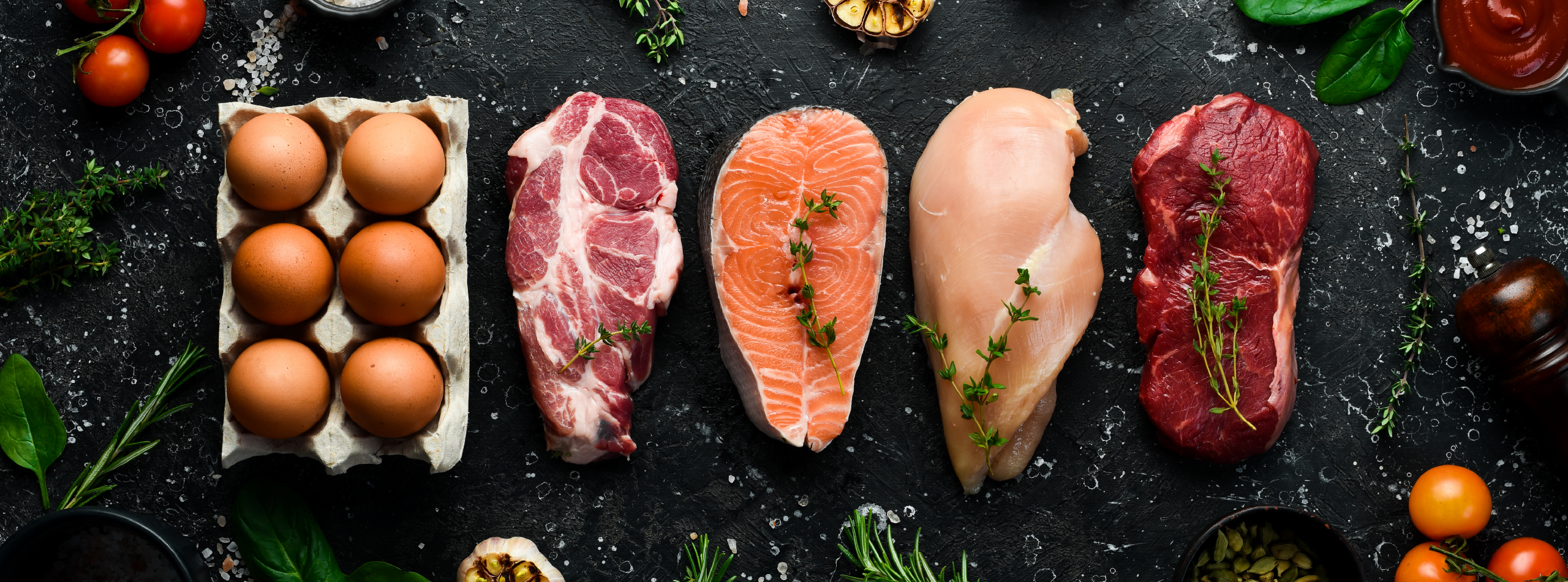
Since the horsemeat scandal, awareness of food adulteration and fraud has grown substantially, prompting consumers and regulators to scrutinise the authenticity of food products more closely. Differences in pricing and availability between food sources create opportunities for mislabelling, where cheaper ingredients are substituted for more valuable ones. Such adulteration—such as horsemeat sold as beef—can be detected with high specificity using advanced methods like real-time PCR, which can also estimate the proportion of different animal species in a sample.
Animal species identification is also essential for meeting religious requirements such as halal and kosher standards. These inspections demand highly sensitive, qualitative tests with zero tolerance for cross-contamination. Real-time PCR is commonly used, although its accuracy depends on the presence of intact DNA, which can be difficult to detect in heavily processed foods like gelatin.
Adulteration extends beyond meat, affecting fish, dairy, and other food categories, each requiring tailored analytical methods to ensure authenticity and protect consumer trust.
Monitoring adulteration provides multiple benefits: it safeguards consumers from misleading labels, supports regulatory compliance, maintains product quality, reduces the risk of recalls and financial loss, and relies on advanced detection technologies to identify and quantify adulterants with precision.
Overall, effective adulteration testing is essential for maintaining consumer confidence and protecting brand reputation. By implementing robust detection systems such as real-time PCR, manufacturers can verify product authenticity, meet regulatory standards, and strengthen modern food safety management.
Products By Food Type



Products By Technology Type
Ordering Information
| Ref | Description | Number of Tests/Amount | |
|---|---|---|---|
| - | RIDASCREEN® Chloramphenicol | Microtiter Plate with 96 Wells (12 strips with 8 Removable Wells Each) | |
| 5171MILK | EuroProxima Plus Cow´s Milk | Microtiter Plate with 96 Wells (12 strips with 8 Removable Wells Each) | |
| 5106** | ELISA-TEK™ Cooked Meat Species Kit | 96 Determinations | |
| 5105** | ELISA-TEK™ Raw Meat Species Kit | 96 Determinations | |
| R6703 | RIDASCREEN® Risk Material 10/5 | Microtiter Plate with 96 Wells (12 strips with 8 Removable Wells Each) |
Ordering Information
| Ref | Description | Number of Tests/Amount | |
|---|---|---|---|
| 510EZP | EZ PANGASIUS™ Pangasius Species Rapid Kit | 10 Tests per Kit (Test Strips) | |
| R4303 | RIDA®QUICK CIS | 25 Reaction Strips (One Per Determination) | |
Ordering Information
| Ref | Description | Number of Tests/Amount | |
|---|---|---|---|
| RBRP700/5 / RBRP700/25 | EASI-BIND® LACTOFERRIN | 5 columns (Up to 50 Tests | 3 ml) (RBRP700/5) 25 columns (Up to 250 tests | 3 ml) (RBRP700/25) |
Ordering Information
| Ref | Description | Number of Tests/Amount | |
|---|---|---|---|
| S7010 | SureFood® QUANT SOFT WHEAT | 50 Reactions | |
| ZMAL48 | TANBead Maelstrom™ 4800 | Up to 4 8 Samples | |
| F1060 | SureFast® Mag PREP Food | 96 Preparations | |
| S1015 | SureFood® ANIMAL QUANT Turkey | 2 x 50 Reactions | |
| S7007 | SureFood® Apricot | 100 Reactions | |
| S6131 | SureFood® ANIMAL ID 4plex Camel/Horse/Donkey + IAAC | 100 Reactions | |
| S6130 | SureFood® ANIMAL ID 3plex Water Buffalo/Beef+IAAC | 100 Reactions | |
| S6126 | SureFood ® ANIMAL ID 4plex Beef/Horse/Pork+IAAC | 100 Reactions | |
| S6118 | SureFood® ANIMAL ID Horse IAAC | 100 Reactions | |
| S6121 | SureFood® ANIMAL ID 4plex Beef/Sheep/Goat+IAAC | 100 Reactions | |
| S6115 | SureFood® ANIMAL ID Chicken IAAC | 100 Reactions | |
| S6113 | SureFood® ANIMAL ID Beef IAAC | 100 Reactions | |
| S6114 | SureFood® ANIMAL ID Pork IAAC | 100 Reactions | |
| S6017 | SureFood® ANIMAL ID Pork SENS PLUS | 100 Reactions | |
| S6119 | SureFood® ANIMAL ID Horse/Donkey+IAAC | 100 Reactions | |
| S6116 | SureFood® ANIMAL ID Turkey IAAC | 100 Reactions | |
| S6123 | SureFood® ANIMAL ID 4plex Pork/Chicken/Turkey+IAAC | 100 Reactions | |
| S1014 | SureFood® ANIMAL QUANT Chicken | 100 Reactions | |
| S1011 | SureFood® ANIMAL QUANT Pork | 100 Reactions | |
| S1010 | SureFood® ANIMAL QUANT Beef | 100 Reactions | |
| S6112 | SureFood® ANIMAL ID Cat/Dog+IAAC | 100 Reactions |